0.00%
Signals
Saudi Arabia Stopped Calling Solar 'Clean Energy.' American Companies Should Too.
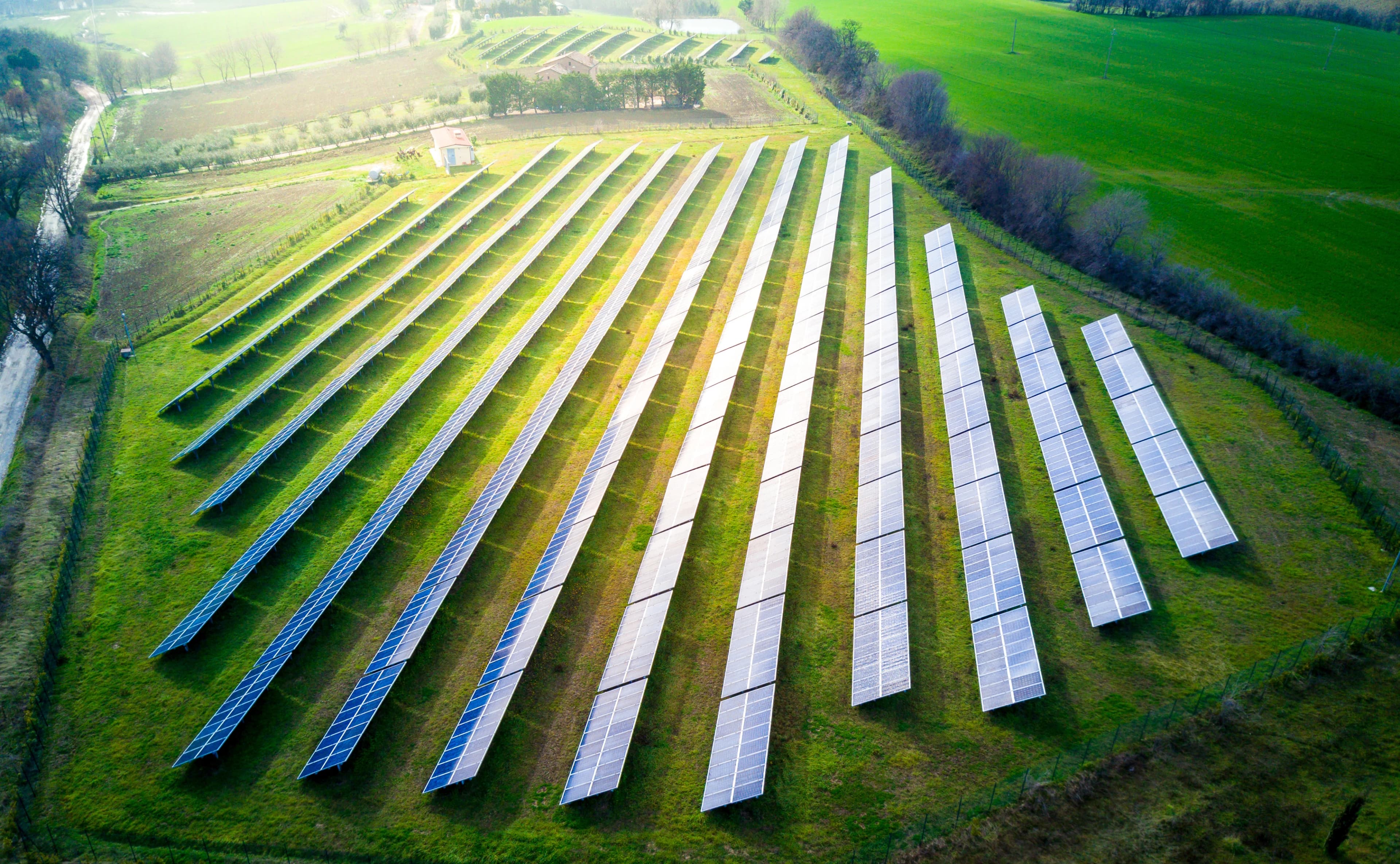
Saudi Arabia went from zero renewable capacity in 2020 to 12 gigawatts of solar by the end of 2025. The reason has nothing to do with sustainability reports or carbon commitments.
They repositioned solar as infrastructure, not ideology.
While American energy companies navigate complex political and market pressures, the world's largest oil exporter figured out what drives solar adoption: speed and economics. They're producing electricity at 1.7 cents per kilowatt hour. They're deploying faster than anyone else. And in July, they committed $8.3 billion to build 15 more gigawatts.
American companies have an opportunity here if they're willing to rethink their positioning.
The Positioning Challenge
Most U.S. energy companies are working within a narrative framework that served the industry well for years. Solar as the "clean" choice. The "responsible" option. The sustainability play.
That framing made sense when solar needed subsidies to compete. But the fundamentals have shifted. Solar is now the cheapest and fastest-to-deploy source of new electricity on the planet. The value proposition changed. The positioning hasn't caught up.
Saudi Arabia saw this early. They're deploying solar to solve infrastructure challenges: explosive demand from cooling, desalination, massive projects like the $500 billion NEOM city. Economics drive the decision. The narrative follows.
American companies face different realities. Political headwinds. Market uncertainty. But there's room for brands that talk about solar differently. Economic competitiveness. Deployment speed. Infrastructure reliability. Not just environmental benefits.
What the Data Shows
According to energy think tank Ember, solar and wind added 635 TWh of new generation globally in the first three quarters of 2025. That outpaced the 603 TWh rise in electricity demand. Solar alone grew 31% year-over-year.
Saudi Arabia broke into the top 10 global markets for annual new solar capacity for the first time in 2025, according to BloombergNEF. Rystad Energy projects the Kingdom will install more than 70 gigawatts by 2030.
The U.S. is moving differently. The Trump administration canceled the Esmeralda 7 project in October. Would have been the largest solar facility in America. Could have powered 2 million homes. Over 500 planned projects are now at risk. That's about half of all planned power additions through 2030.
Policy challenges make positioning more important, not less. Companies that can talk about solar's infrastructure value without getting tangled in political narratives have a clearer path.
Where Strategy and Design Matter
When we rebranded Nextracker to Nextpower, the challenge was strategic. They were known for solar tracking systems. Their trajectory pointed toward something bigger: integrated energy solutions. The rebrand signaled evolution from component manufacturer to end-to-end energy partner.
The insight behind that work is the same one Saudi Arabia gets: AI data centers and electrification are driving unprecedented demand. Renewable energy is becoming necessary energy. Solar is the fastest way to meet it.
Companies that position around speed, reliability, and economic competitiveness create differentiation that holds up regardless of who's in office.
This takes more than new messaging. Visual identity. Digital experience. Go-to-market strategy. All of it has to align with how buyers actually make decisions. Brand strategy, UX, and design working in sync to shift perception.
The Window
Saudi Arabia added 4.5 GW of new renewable contracts in 2025 alone. The U.S. market is dealing with policy uncertainty.
Uncertainty creates positioning opportunities. Companies that clearly articulate solar's infrastructure value, outside of political debates, will capture mindshare when things stabilize.
Now's the time to build that foundation.
Ready to reposition your energy brand for what's next? Let's talk.


About Matic
We're a B2B transformation agency creating strategic advantage through branding, websites, and digital products.